
A Peptide Ingredient Aligned With Collagen-Focused Skincare
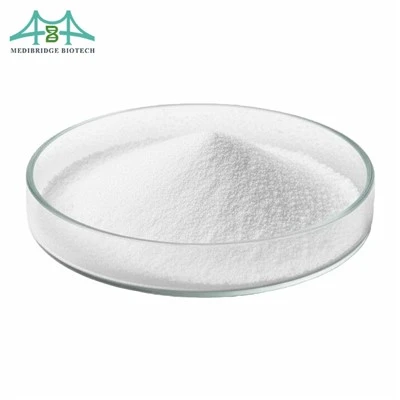
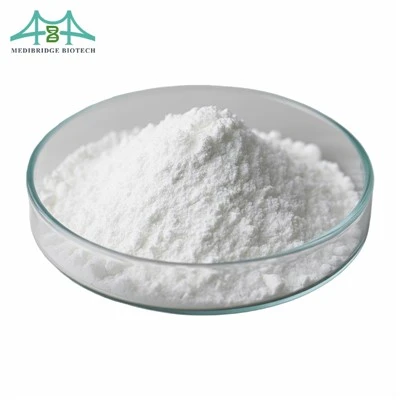
Palmitoyl Tripeptide-1 is widely discussed in cosmetic formulation because of its association with collagen-related skin care benefits. As a peptide derivative, it is often used in products designed to improve the appearance of firmness, elasticity, and fine lines. Its appeal lies in its compatibility with modern anti-aging concepts that focus on supporting the skin's natural structure rather than relying solely on exfoliation or aggressive resurfacing. For brands developing science-led skincare, Palmitoyl Tripeptide-1 offers a recognizable active story that connects well with consumers seeking visible but gradual improvements.
Anti-Aging Research Moves Toward Gentle Efficacy
The anti-aging category is evolving beyond strong actives that may cause dryness or irritation. Consumers are increasingly interested in formulas that deliver firmness and smoothing benefits while remaining suitable for daily use. Palmitoyl Tripeptide-1 fits this direction because it is commonly positioned as a supportive peptide for long-term skin quality. It is often included in serums, creams, eye products, and multi-peptide blends aimed at mature or early-aging skin. This shift reflects a broader market preference for gentle efficacy, where comfort, tolerability, and consistent use are becoming as important as fast results.


Sensitive skin has become a major focus in cosmetic development, encouraging formulators to select ingredients that support skin appearance without overburdening the barrier. Palmitoyl Tripeptide-1 is increasingly considered in sensitive-skin-oriented anti-aging formulas because it can be incorporated into mild, moisturizing, and barrier-supportive systems. When paired with ingredients such as ceramides, panthenol, hyaluronic acid, or soothing botanical components, it can help create products that address both aging concerns and skin comfort. This dual positioning makes the peptide especially relevant for brands targeting consumers who want anti-aging benefits without harsh sensory effects.
Multi-Peptide Systems Strengthen Product Differentiation
Palmitoyl Tripeptide-1 is rarely viewed in isolation; it is often used as part of broader peptide complexes designed to support multiple visible skin benefits. Combining it with other peptides allows brands to build formulas that target firmness, texture, hydration, and wrinkle appearance from several angles. These multi-peptide systems also help create stronger marketing narratives, especially in premium skincare and dermatologist-inspired product lines. As peptide literacy grows among consumers, clear formulation logic and transparent benefit communication will become essential for brands hoping to stand out in a crowded anti-aging market.


Outlook: A Continued Role in Barrier-Friendly Anti-Aging
Looking ahead, Palmitoyl Tripeptide-1 is expected to remain relevant in anti-aging and sensitive skin research due to its alignment with two major beauty trends: visible skin improvement and gentle formulation. As consumers become more selective about active ingredients, peptides with established cosmetic recognition may gain further importance in product development. The strongest opportunities will likely come from formulas that combine peptide technology with barrier care, hydration, and clinical-style messaging. For cosmetic brands, Palmitoyl Tripeptide-1 offers a bridge between advanced anti-aging science and everyday skin comfort.